Gardening Tips for Seniors with Joint Pain: Complete Mobility Guide
Gardening remains one of the most rewarding pastimes, offering physical activity, fresh air, and beautiful harvests. However, for older adults experiencing arthritis, chronic knee soreness, or spinal stiffness, tending to plants can become challenging. Applying targeted gardening tips for seniors with joint pain allows enthusiasts to maintain their green thumb without suffering unnecessary physical strain.
Understanding the Impact of Joint Pain on Gardening
Joint pain often stems from cartilage wear, inflammation, or previous injuries. Bending down to pull weeds, kneeling on hard topsoil, and lifting heavy pots place severe stress on vulnerable joints like the knees, hips, and lower back. Sustained pressure on hard surfaces causes micro-trauma to soft tissues, leading to inflammation that persists long after outdoor work ends. Recognizing physical limitations and adapting outdoor tasks is essential for long-term health and mobility.
Ergonomic Principles for Senior Gardeners
Applying proper posture mechanics reduces joint pressure significantly during yard work. Avoid prolonged bending from the waist, which exerts excessive torque on the lumbar spine. Instead, lower your center of gravity or use elevated seating. Alternate between sitting, standing, and kneeling tasks every twenty minutes to prevent joint stiffness and muscle fatigue. Warm up gentle joints before heading outdoors with light wrist and leg stretches to prepare connective tissue for movement.
Selecting the Right Tools and Knee Protection
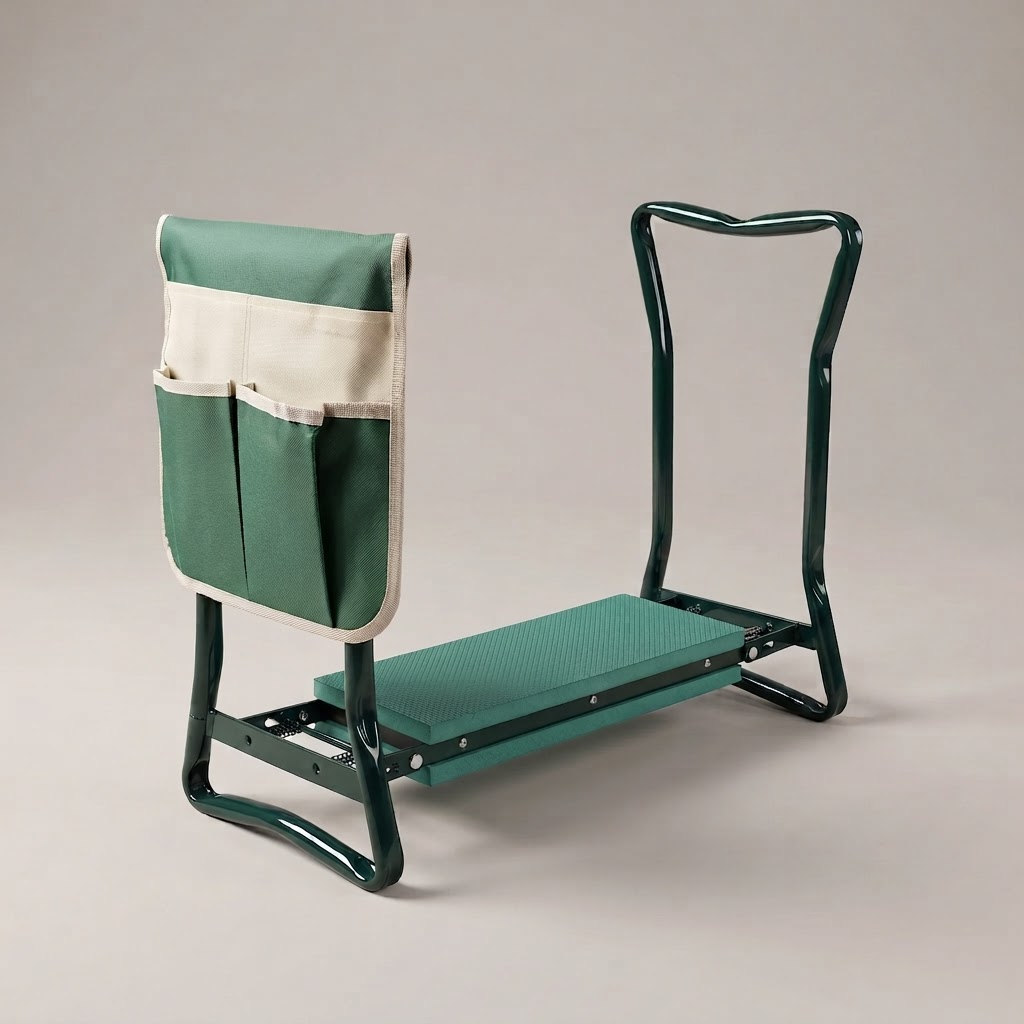
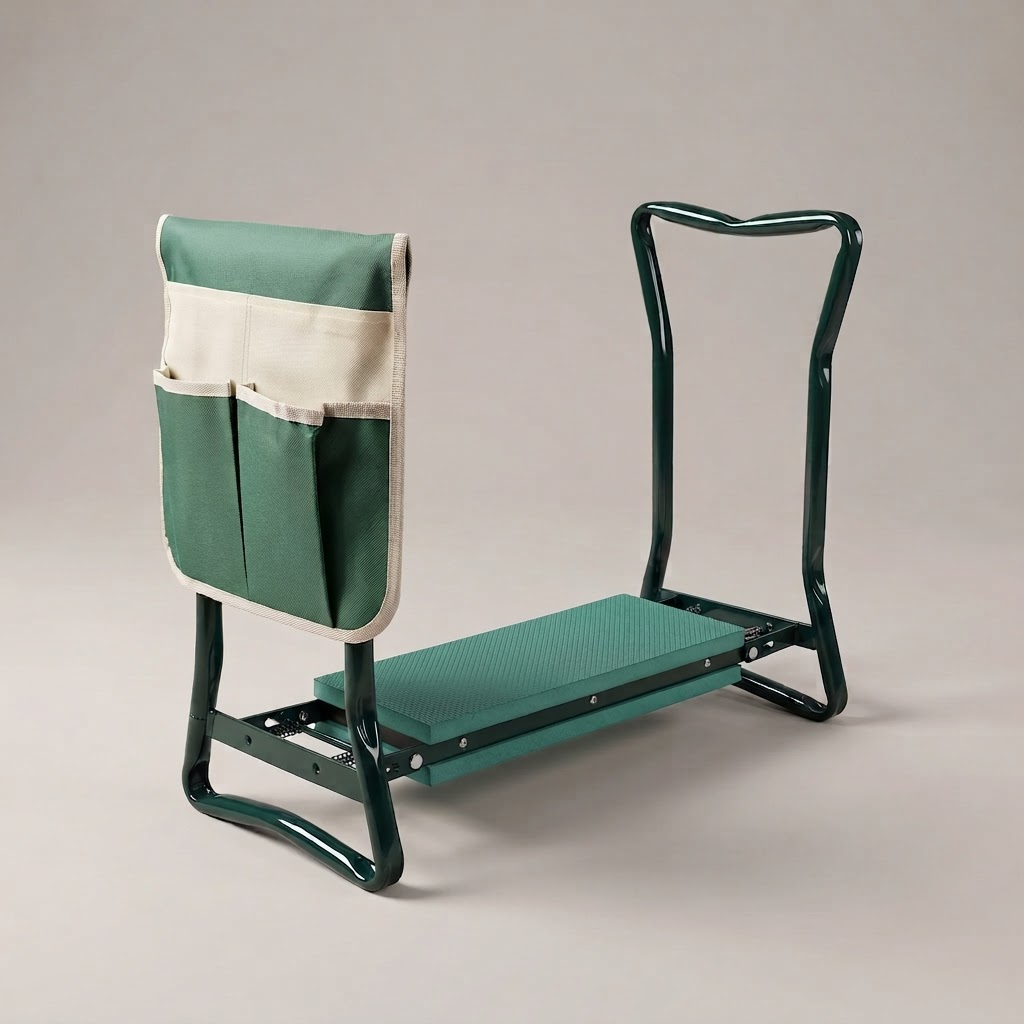
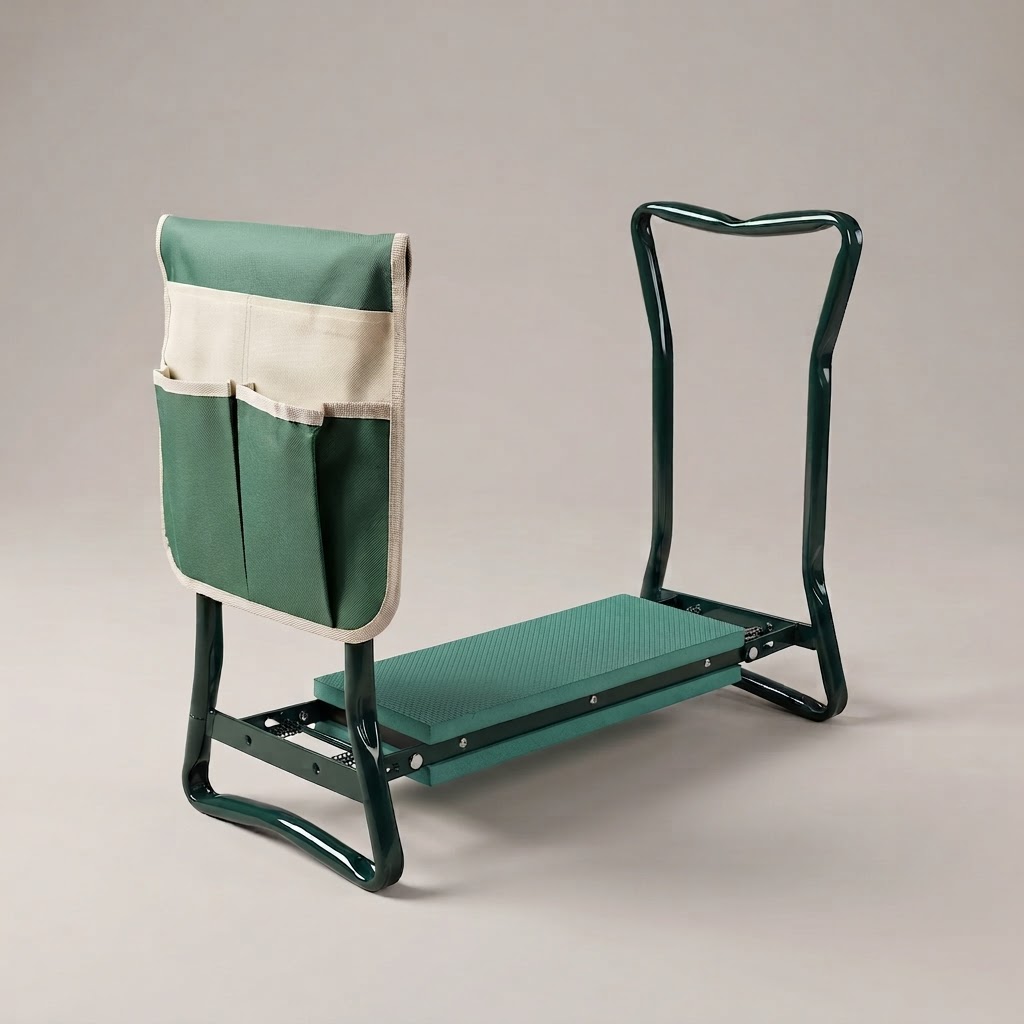
Equipping your shed with supportive equipment transforms your gardening experience. Traditional knee pads can slip or cause constriction behind the legs. A dedicated tool like the Garden Kneeler Seat addresses multiple physical needs simultaneously. Featuring a 2-in-1 design, it serves as a comfortable chair or can be flipped over to function as a low kneeling pad.
When kneeling, the integrated ergonomic 6.3-inch wide cushion provides a thick layer of waterproof EVA foam to absorb impact and keep you elevated above hard, damp soil. Furthermore, sturdy side handles provide leveraged support, allowing seniors to stand back up without relying solely on leg force. Capable of supporting up to 300 kg while weighing only 6.4 lbs, it offers sturdy stability without adding heavy lifting strain. It folds in seconds for seamless storage and requires no assembly, making it immediately accessible for everyday yard tasks.
Adapting Garden Layouts for Mobility Issues
Modifying garden spaces makes tending plants far more accessible. Raised garden beds, vertical planters, and wall-mounted pots bring roots closer to chest level, eliminating the need to stoop. Keep frequently used hand implements nearby using attachments like a removable tool bag so you can minimize repeated trips across the yard. Ensure pathways are clear of loose rocks or uneven pavers to prevent trips and falls.
Post-Gardening Recovery and Care Routines
Ending your session with a calm cool-down routine helps prevent morning-after stiffness. Hydrate thoroughly and apply warm compresses to tight muscles or cold gel packs to inflamed joints. Store your equipment in a sheltered location; portable options fold down quickly so you can protect your gear from moisture without heavy lifting. Incorporating these ergonomic practices ensures you can cultivate a thriving garden safely year after year.
Related in this cluster
- 7 Ergonomic Gardening Tips to Protect Knees and Joints
- How to Safely Garden with Arthritis: A Step-by-Step Approach
- Kneeling Pads vs. Convertible Garden Seats: Which Best Relieves Joint Stress?
- Overcoming Knee and Back Pain: Garden Kneeler Seat Review
- Senior Joint Pain & Gardening Mobility: Frequently Asked Questions
- Why the 2-in-1 Garden Kneeler Seat is Essential for Joint Relief